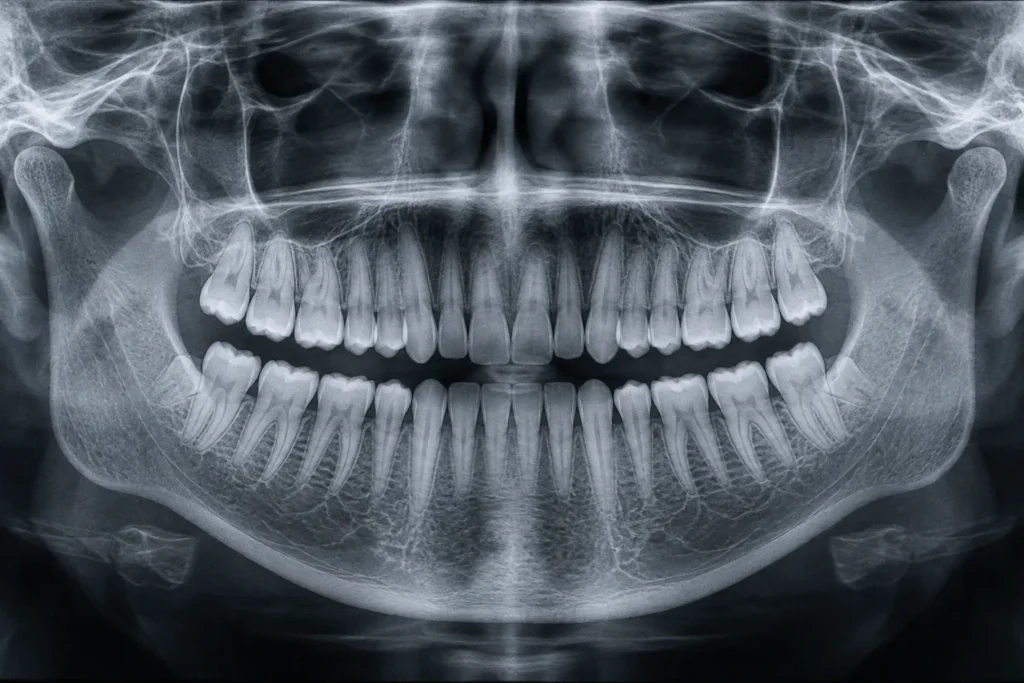
Wisdom teeth, or third molars, usually come through between the ages of 17 and 25. In many people there is not enough room for them and they stay fully or partly in the bone or under the gum. But they do not always need removing.
When removal is advisable
- Repeated infection or inflammation of the gum covering them (pericoronitis).
- Decay in the wisdom tooth or the tooth next to it that cannot be treated properly.
- Recurring pain or damage to the neighbouring tooth.
- Cysts or other lesions around the tooth.
- When they get in the way of orthodontic or restorative treatment.
When it is not needed
If they have come through properly, are healthy, can be cleaned and cause no problems, they are usually left in place and monitored at check-ups.
What the procedure involves
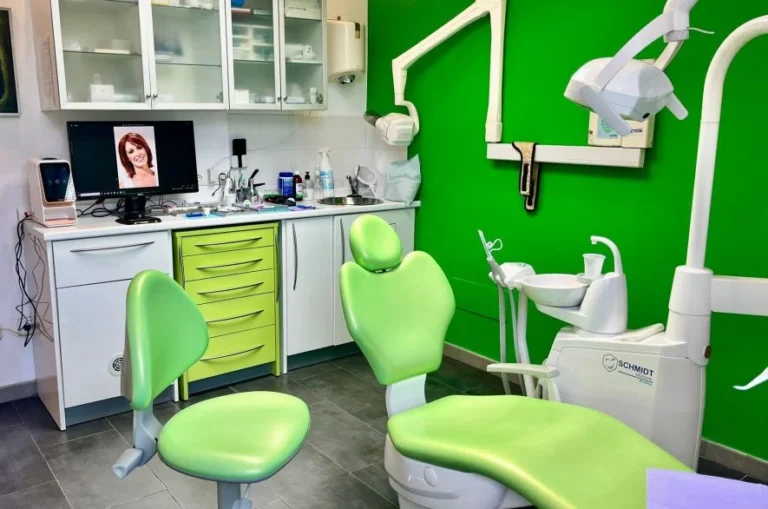
After an X-ray study to see the position of the tooth and how close it is to the nerves, the extraction is done under local anaesthetic at the clinic. How long it takes depends on how deeply the tooth is impacted.
Recovery
- Apply something cold to the outside of your face for the first few hours.
- Take the medication prescribed and rest for the day.
- Eat soft, cold or lukewarm food and avoid hot drinks, alcohol and smoking.
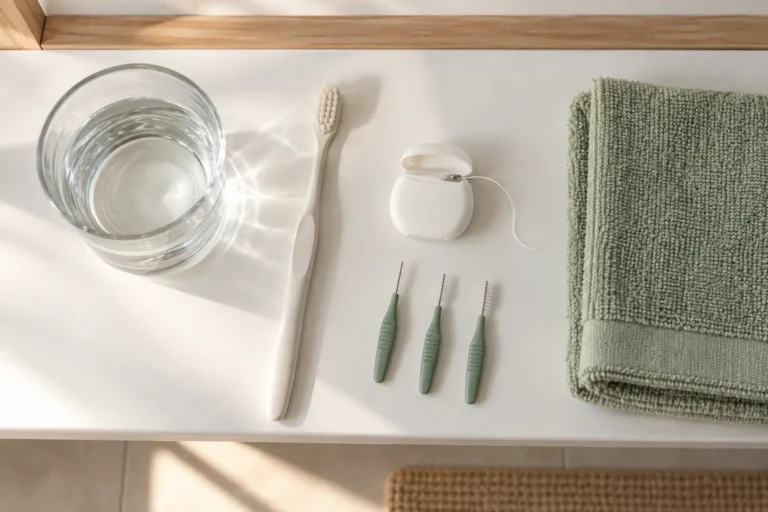
- Do not rinse vigorously on the first day; after that, follow our hygiene advice.
Swelling for two or three days is normal. If the pain gets worse after a few days or you have a fever, call us.
Wisdom tooth removal is part of oral surgery; read more on our dental implants and oral surgery in Sotogrande page.
This article is for information only and does not replace a personal assessment at the clinic.